Do You Need a Permit for a Driveway Gate? Local Rules to Check First
A driveway gate feels like a private decision. It is your property, your driveway, your money. But the moment a gate sits near a property line, a public road, or a drainage easement, it becomes a small piece of civic infrastructure, and the rules that apply to it arrive from several directions at once. Homeowners who skip that step usually learn about it later, when an inspector stops by or a neighbor files a complaint.
The good news is that finding out what your jurisdiction requires takes an afternoon of phone calls and a folder of paperwork, not weeks of delay. Here is what actually gets checked, and how to sequence it so nothing gets torn out after the concrete cures.
Why a Gate Is Rarely Just a Gate
Most permitting triggers have little to do with the gate leaf itself. They come from what the gate touches. A zoning or building permit is usually pulled by height, by how close the structure sits to a property line, by whether footings are poured, or by whether the gate crosses public right-of-way. An electrical permit is pulled separately for the power run, the operator, and any lighting.
Emergency access matters too. Many fire departments want either a keypad code on file, a Knox-style switch, or enough clear width for apparatus to pass through. Some require that a gate fail open, not closed, when power is lost. These are not decorative details. They are conditions an inspector may verify before signing off.
Setback Rules: Measure From What, Exactly?
This is where most projects stumble. A setback is a minimum distance, but the line you measure from is not always the line you think it is.
- Property line versus right-of-way. Your lot line is the legal edge of what you own. The right-of-way is the strip the government controls for roads, utilities, and future widening. Rights-of-way are often wider than the pavement, sometimes by several feet on each side.
- Corner lots. Two frontages usually means two setbacks, plus a sight triangle at the intersection where nothing tall can be placed.
- Easements. A utility or drainage easement across the driveway may prohibit footings, or require that the gate be removable.
Pull your plat or survey before you sketch anything. Then walk into the planning or zoning counter with the address and the proposed location, and ask them to mark the line you cannot cross. That single conversation prevents most surprises.
HOA and Deed Restrictions
Your homeowners association can be stricter than the city, and in many neighborhoods it acts first. Architectural review committees typically care about material, finish color, gate height, whether the design is solid or open, how it matches the existing fence, and how far the pillars sit from the sidewalk. Some prohibit automatic gates entirely for noise or liability reasons.
Deed restrictions live in a different document than the HOA rules, and they can survive even if the association dissolves. Ask for both. Get any approval in writing, with a date, and keep it with your permit file. If you sell the house, a buyer's lender may ask for it.
Electrical Permits for Automatic Gates
Manual gates rarely need a permit for the gate itself. Powered gates are a different conversation, because the operator needs power.
Low-voltage systems, including many solar operators and 12- or 24-volt runs, are often exempt from an electrical permit. A 120-volt circuit from the house is typically not exempt, and it usually has to be run by a licensed electrician under a separate permit. Conduit burial depth, GFCI protection at the source, and disconnect placement are all things an electrical inspector may check.
Entrapment protection is a separate layer. Modern operators are expected to include photo-eye sensors, an edge sensor, or a built-in reversing feature. If your installer cannot explain which protection applies to your gate, that is a sign to get another quote.
Approvals People Forget Until Too Late
Beyond zoning and electrical, depending on where you live, you may also need:
- An encroachment or right-of-way permit, if any part of the gate, pillar, or apron lands in public space.
- A floodplain development permit, if the driveway crosses a mapped flood area.
- Historic district or design review approval, which can dictate materials and hardware.
- Fire department access approval for automatic gates and gated entries.
- A grading or drainage permit if you are changing the driveway apron or redirecting runoff toward a neighbor.
How Contractors Verify Requirements Before Quoting
A well-run gate company does not quote from a photo of your driveway. It quotes from your address.
The process usually looks like this. First, the office identifies which authority has jurisdiction. City limits, county unincorporated areas, and special districts all have different counters and different forms. Second, someone pulls the zoning designation and the plat, so they know the setbacks and easements. Third, they call the building department and ask two direct questions: does this installation require a permit, and does it require plan review? Fourth, they ask you for the HOA architectural guidelines, or for the name of the management company so they can request them.
Only then does the quote get written. Ask whether the number includes permit fees, whether the company pulls the permit or you do, and who schedules the inspection. If an installer says they will "handle everything," ask for the permit number once work begins. A permit that exists has a number you can look up.
Watch for the split-responsibility gap. Labor-only installers often push permitting onto the homeowner, and the electrician may assume the gate company already filed. Someone has to own that task, and it should be named in writing on the proposal.
A Practical Order of Operations
Handle the pieces in the sequence that saves the most money. Get the survey or plat. Read the deed restrictions and HOA rules. Confirm setbacks and right-of-way with the local planning or building department. Get electrical scope and permitting sorted by a licensed electrician. Then collect quotes, and ask each bidder to note the permits required, who files them, and what the allowance covers.
Rules vary by jurisdiction, and they change. Confirm the specifics for your lot with your local building department, and for deed or HOA questions, talk to a real estate attorney before you sign anything. An afternoon of verification is cheap compared with removing a pillar you were not allowed to build.
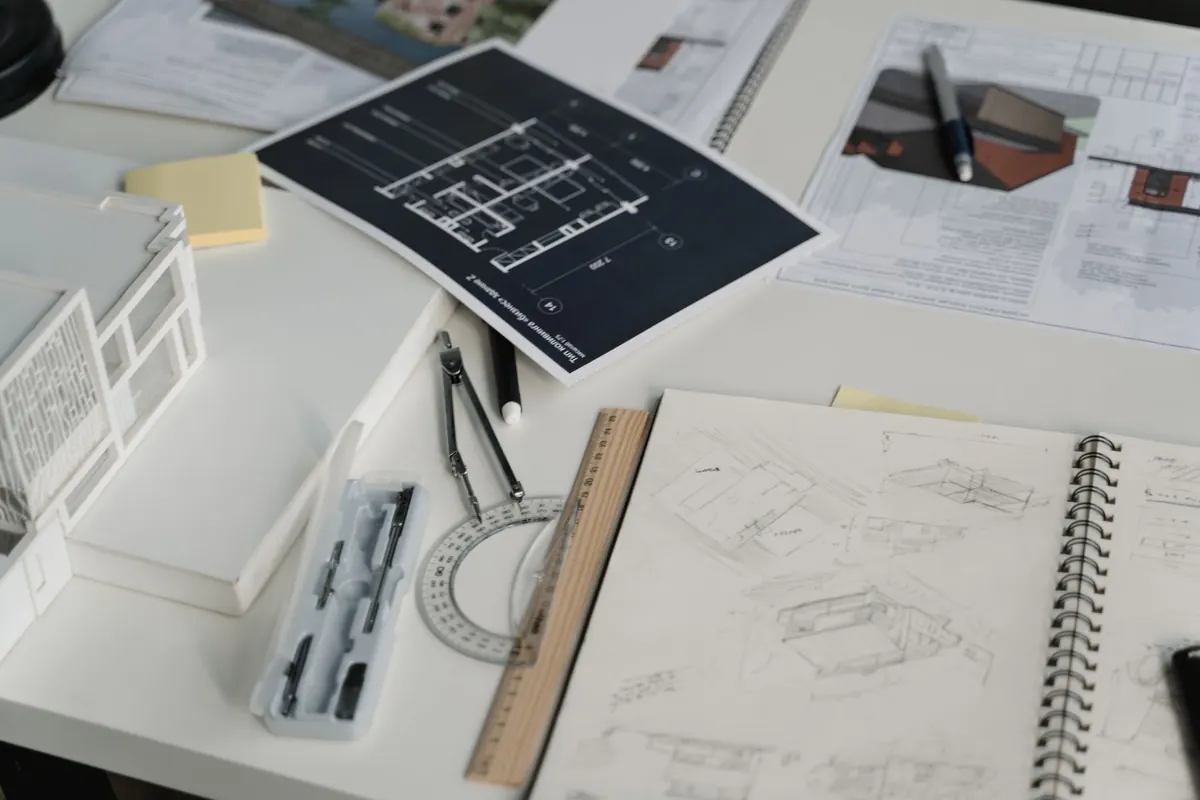
Photo: Tima Miroshnichenko / Pexels